
Upcoming State of Ceramics Events
Power Dynamics : When does Social Practice Patron or Patronize?
With Javier Espinosa Momox
November 7, 2026 from 10am - noon PST
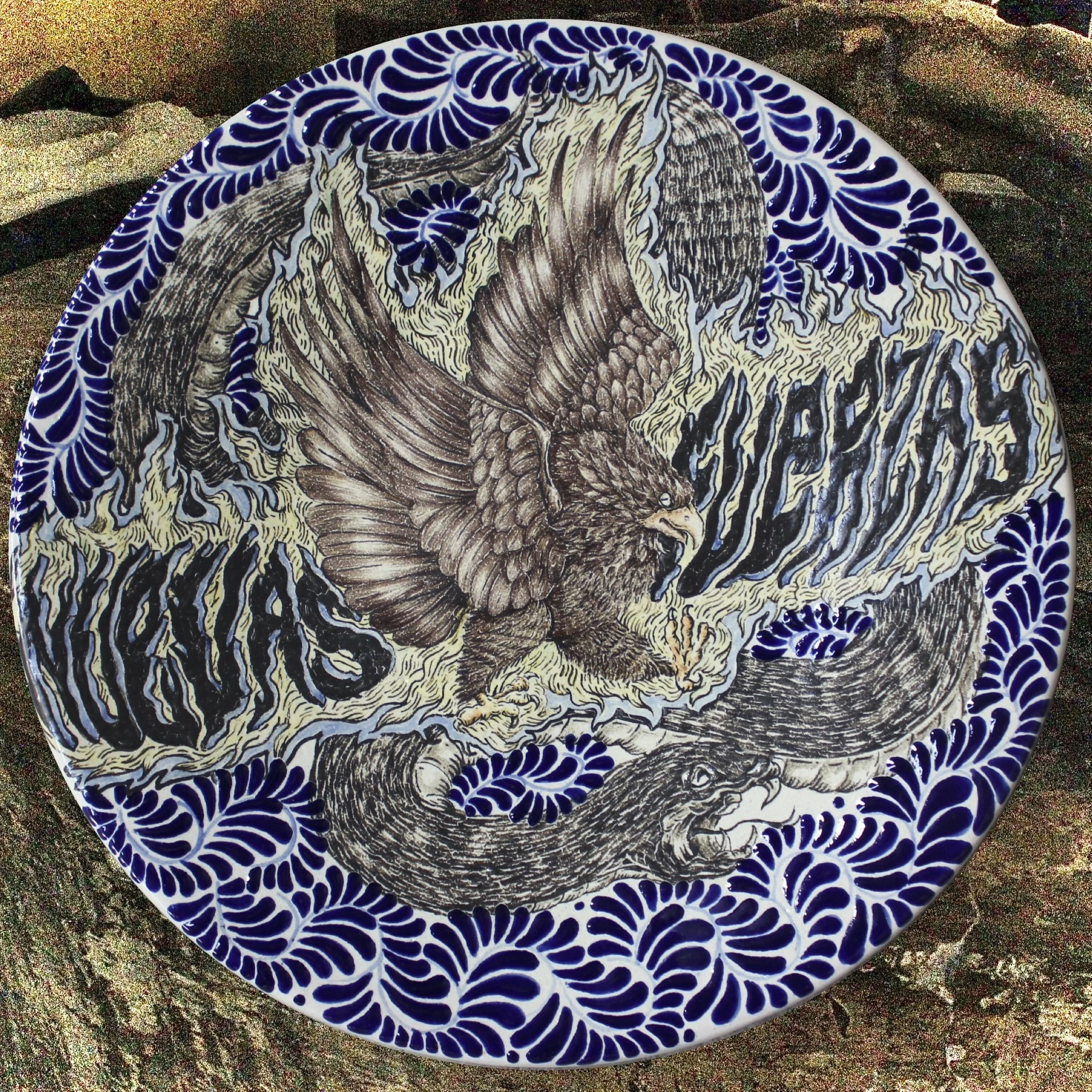
November 7, 2026
Is it possible to invert or remove hierarchical structures from artistic social practice? After all, it’s rare that all participants are viewed as equal contributors. Most often, it’s a ladder: an institution supports an individual artist; an artist facilitates a project; a particular community is the crux of a project.
How often do the narratives, projects, and institutions that are intended to support a specific community instead inadvertently obscure them? Communities and individuals are romanticized or mythologized; artists transform themselves from artist to activist to savior; and patronage becomes patronizing.
Can these hierarchical structures be counter-leveraged for personal and communal empowerment? In this State of Ceramics, we consider who gets the spotlight in socially engaged projects and how to create equitable and productive visibility for all participants. Javier Espinosa Momox’s ongoing ceramics project Herencia Means Heritage, which highlights the history and labor of traditional Mexican Talavera artisans, will be used as a case study to underpin our conversation.
Join us on Saturday, November 7 (10am-noon PST) for Javier Espinosa Momox’s lecture followed by an open, democratic discussion centered around questions from Javier’s research.
State of Ceramics events have always been free to the public because we believe in making expanded ceramics education as widely accessible as possible. Although we do not charge for attendance, we rely upon donations to sustain the extensive time and labor that is put into planning and executing these programs. We value this State of Ceramics event at $30 and appreciate donations of any amount from those who can afford to contribute.


Power Dynamics
Ceramics is an inherently communal field. From lifting hundreds of pounds of clay to loading kilns, firing through the night, and commiserating over shards: we need each other. And yet, much of the field continues to perpetuate embedded hierarchical structures.
Why has porcelain been historically assigned more value than terracotta? Who owns the land where our clay is sourced? What does it mean to hold mining rights? When will the history of misogyny in American studio ceramics become mainstream knowledge? How does that history persist today and what are we doing to counter it? Is contemporary ceramics education shifting towards horizontal learning formats or does it adhere to more traditional approaches? Who continues to insist upon gatekeeping? What role does the market play in entrenching such systems? Why are competitive attitudes prevalent between individual artists and what can we do to support each other as a community?
We must examine and take responsibility for how the ceramics field moves into the future amidst these structures.